

Good nutrition before and after exercise not only improves performance during exercise
physical activity, but also recovery, muscle strengthening, and adaptations to
long term. In this article we will see what, when and why to choose certain foods according to
your training.
Before training: what and when to eat?
Ideally, eat a full meal 2 to 3 hours before training, including
Carbohydrates, lean protein, and some healthy fat. This helps ensure energy.
sustained without a feeling of heaviness. They suggest foods like whole grains, rice
whole grain, low-fat yogurt, fruits and vegetables.
If you only have 45 to 60 minutes beforehand, opt for a light, easily digestible snack, rich in
Carbohydrates and a little protein. For example: a piece of fruit (banana or apple), toast
wholemeal with nut butter, a yogurt smoothie with fruit, or a bowl of oatmeal
lightweight.
Pay attention: avoid high-fat or high-fiber meals right before exercise, because
They can cause digestive discomfort.
During training: stay hydrated.
If your session lasts less than an hour, water is usually enough to keep you cool.
hydrous.
For long or high-intensity workouts (> 60 min), consider a moderate intake
of carbohydrates through sports drinks, bananas or energy bars, to
maintain energy and delay fatigue.
After training: optimal recovery.
It is ideal to consume a meal or snack that combines protein and carbohydrates within the
the first 30 to 60 minutes after training, or at most within 2 hours
The following. This supports muscle protein synthesis and glycogen replenishment.
Protein helps in muscle repair, while carbohydrates restore the
muscle energy used.
Some recommended options: Protein shake with fruit, milk with cocoa (chocolate)
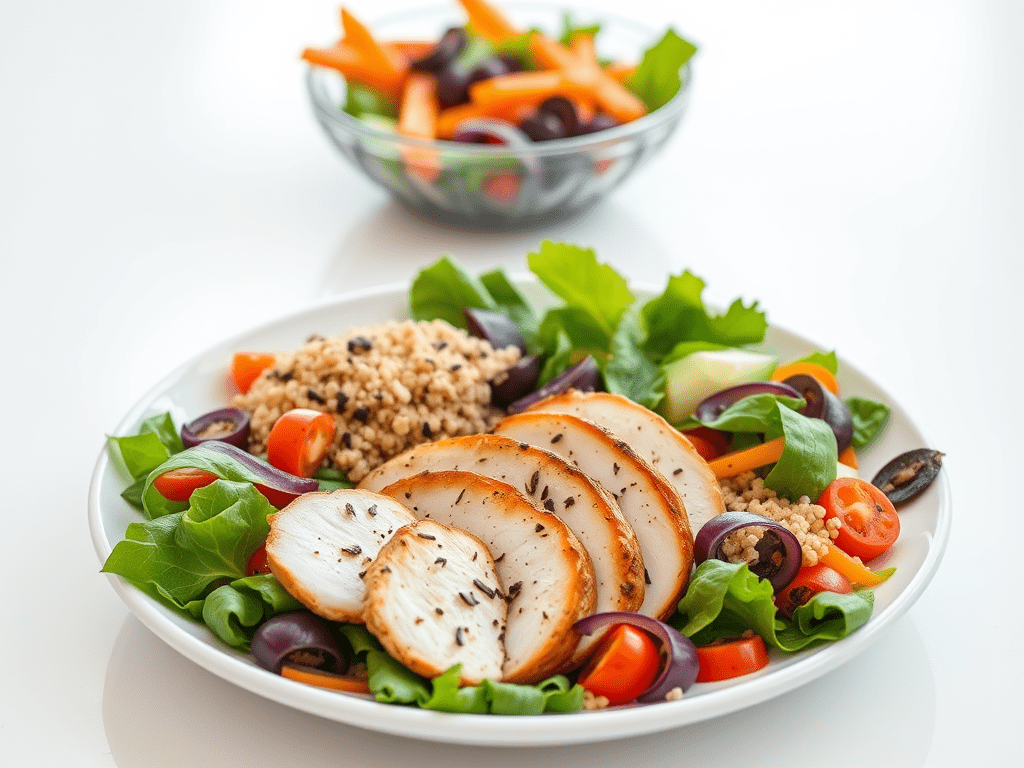
milk) which provides carbohydrates, protein and electrolytes in good measure or chicken breast
with vegetables and sweet potato, Greek yogurt with nuts, whole-wheat turkey sandwich,
egg white omelet with toast, etc.
Hydration and electrolytes.
Stay well hydrated by drinking water before, during, and after exercise.
For intense or prolonged training, electrolyte drinks may be included, such as
sodium, potassium, and magnesium.
Some foods such as bananas, avocado, Greek yogurt, pumpkin seeds and citrus fruits
They are excellent natural sources of electrolytes to replenish nutrients without added sugar.
Leave a Reply