

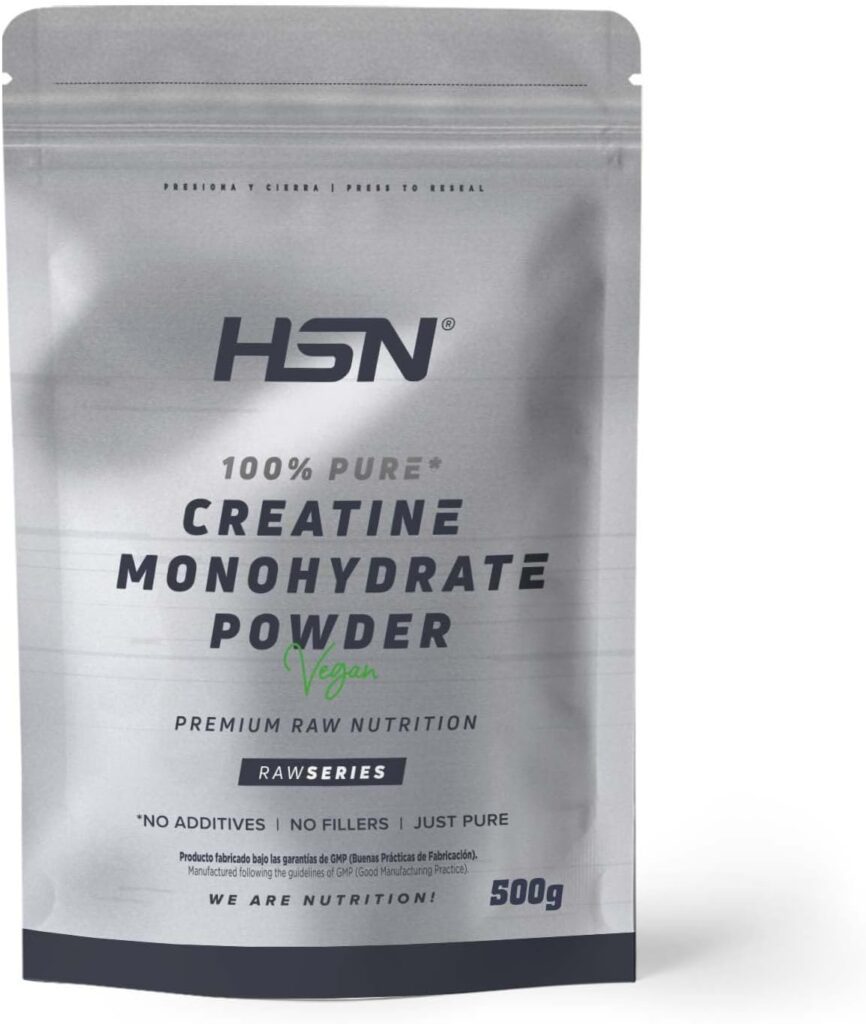
Creatine is one of the most studied and used supplements in the field of sports.
Its ability to increase strength, improve performance in intense exercise and
Accelerating recovery has made it an essential resource for beginners alike.
as for high-level athletes.
It is a nitrogenous compound that is naturally synthesized in the liver, kidneys, and
pancreas from amino acids such as arginine and methionine, producing
Approximately 1–3 g daily. Around 95% of the body's creatine is stored.
in skeletal muscle in the form of free creatine and phosphocreatine.
Its main function is to regenerate ATP (the cell's fast source of energy) during
intense, short-duration muscular efforts.
Its main benefits are:
- Strength, power and performance
Several studies and meta-analyses confirm that creatine monohydrate is highly
effective for improving strength and performance in repeated anaerobic exercises, with
Strength gains of between 4 and 11 kg in limbs. - Recovery and reduced risk of injury
It helps reduce muscle damage and accelerate post-workout recovery. It also
It is associated with a lower incidence of muscle cramps and injuries. - Safety and long-term tolerance
According to the ISSN and scientific reviews, creatine monohydrate supplementation is
safe even for long periods (up to 30 g/day for several years) in healthy people,
without significant adverse effects. - Additional health and wellness benefits
Maintaining muscle mass in older people and preventing sarcopenia.
Potential cognitive improvement (memory, attention, reduction of mental fatigue), although still in
emerging phase.
Supports bone health, immunity, metabolism, and cardiovascular function.
Who is it especially useful for?
Strength and explosive athletes: improve training performance
intense.
Vegetarians and vegans: obtain less creatine from their diet, so supplementation
can make a big difference.
Adults over 50: helps maintain strength, muscle mass and functionality
physics.
Leave a Reply